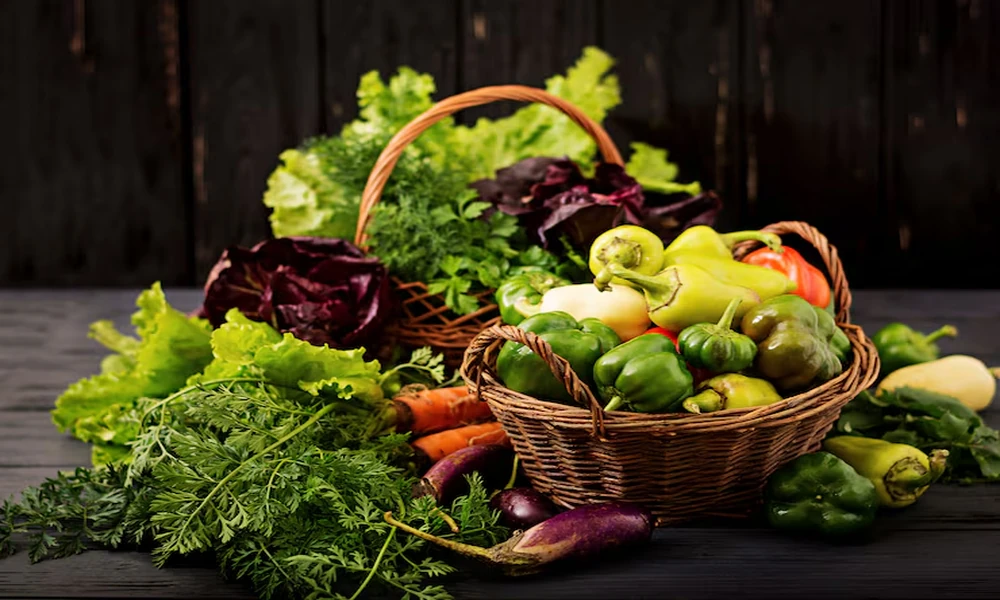
A good kitchen basket keeps vegetables fresh for longer, makes them easy to find and helps keep counters tidy. Yet the material of a vege basket affects airflow, hygiene, durability and how easy it is to clean. In Singapore’s warm, humid climate, these factors matter even more. This article compares common basket materials and offers practical tips for choosing baskets that suit home kitchens, commercial kitchens and food businesses.
Why Material Matters
Vegetables continue to respire after harvest, releasing moisture and gases. Good airflow helps prevent them from becoming soggy or mouldy. The basket material affects how much air circulates, how easily it can be cleaned and how long it lasts. In humid conditions, materials that trap moisture or are hard to clean can encourage spoilage and bacteria. Choosing the right material helps protect both produce and hygiene. Light exposure and temperature also affect freshness, so baskets work best in a cool, shaded spot.
Plastic Baskets
Plastic baskets are lightweight, affordable and easy to clean. Many have perforated or mesh designs that allow good airflow. Food-grade plastic baskets are commonly used in homes, restaurants and markets. They resist moisture, do not rust and can be washed frequently. Plastic baskets are also available in many sizes and colours, making them easy to organise by type of produce. Thicker plastics resist cracking better under heavy loads and frequent washing. Choose baskets labelled as food-grade if produce will sit in them directly.
Metal Wire Baskets
Metal wire baskets offer excellent airflow and a modern appearance. Stainless steel resists rust and is durable, while coated wire baskets may chip over time, exposing metal to moisture. Metal baskets can be heavier and more expensive than plastic. They suit kitchens where appearance matters and where baskets will not be exposed to constant moisture. Wire baskets with a flat base are easier to clean than those with tightly woven bottoms. They also suit hanging storage, which frees counter space.
Natural Fibre Baskets
Baskets made from rattan, bamboo or other natural fibres are attractive and breathable. However, in humid climates, they can absorb moisture and develop mould if not dried properly. They are harder to clean thoroughly. Natural fibre baskets may suit decorative or dry storage, such as onions or garlic, but are less practical for wet or leafy vegetables. If you prefer the look, line them with a breathable cloth that can be washed regularly. They also tend to wear faster under daily use in a busy kitchen.
Comparing Materials at a Glance
Each material has strengths and limitations. A quick comparison:
- Plastic: affordable, washable, good airflow if perforated
- Stainless steel: durable, rust-resistant, good airflow
- Coated wire: attractive but may rust if coating chips
- Natural fibre: breathable but prone to mould in humidity
Choosing a vege basket material that matches your kitchen’s conditions helps keep produce fresh.
Hygiene and Cleaning
In commercial kitchens, hygiene is especially important. Baskets should be easy to wash and sanitise regularly. Plastic and stainless steel baskets are generally the easiest to clean. Avoid baskets with hard-to-reach crevices where dirt can accumulate. A simple routine keeps them hygienic:
- Empty and rinse baskets every few days
- Wash with warm soapy water weekly
- Sanitise baskets used in commercial kitchens daily
- Dry fully before refilling
Regular cleaning prevents the build-up of soil, bacteria and pests.
Size and Stackability
Consider the quantity of vegetables you store and the available space. Stackable baskets save space on counters and shelves. Larger baskets suit bulk produce in commercial kitchens, while smaller baskets suit home kitchens. Baskets with handles make carrying easier. Choosing the right size prevents overcrowding, which can bruise produce and reduce airflow. Baskets that allow a few centimetres of space between items help air circulate around the produce. Nesting baskets also save shelf space when they are empty.
Separating Different Produce
Some fruits and vegetables release ethylene gas, which can speed up ripening of others nearby. Keeping certain items separate can extend freshness. For example, onions and potatoes are often stored apart. Using separate baskets for different types of produce helps manage this and makes it easier to rotate stock. Leafy greens usually keep better in the fridge, while root vegetables suit a basket in a cool cupboard. Labelling baskets by produce type helps staff restock correctly.
Commercial Kitchen Considerations
For restaurants and food businesses, baskets must withstand frequent use and washing. Durable plastic or stainless steel baskets are common choices. Colour-coded baskets can help separate different types of produce and support food safety practices. Baskets that stack or nest save storage space when not in use. Baskets with drainage holes also suit rinsing produce directly before preparation. Replacing cracked or brittle baskets promptly avoids sharp edges and hidden dirt.
Making the Right Choice
The best vegetable basket balances airflow, hygiene, durability and convenience. Consider your kitchen environment, the type of produce and how often baskets will be cleaned. For durable, food-safe options suited to homes and commercial kitchens, a range of plastic baskets for kitchens and industry offers practical sizes and designs. Buying a few in different sizes lets you test what works before stocking the whole kitchen.